

How a Septic Tank Installation Affects Your New Home Build
Building a new home involves many important decisions, and planning for wastewater management is one that can significantly impact how the property functions long-term. For homes outside municipal sewer systems, a septic tank installation becomes a key part of the construction process.
While it may not be the most visible feature, a septic tank installation influences land use, home layout, maintenance needs, and overall costs. Planning early helps ensure the system operates efficiently, protects groundwater, and supports long-term property value while allowing builders and contractors to keep the project on schedule.
Understanding The Basics Of Residential Septic Systems
Before looking at how construction decisions affect wastewater management, it helps to understand what a septic system actually does. A septic system is a self-contained wastewater treatment structure used in areas without centralized sewer infrastructure. Instead of sending wastewater to a municipal plant, the system processes waste directly on the property.
Most systems consist of two primary components: the septic tank and the drain field. Wastewater from sinks, showers, laundry machines, and toilets flows into the tank where solids settle at the bottom while oils and grease float to the top. The remaining liquid effluent then moves into the drain field, where soil naturally filters and treats it.
This process works quietly underground, which is why many homeowners rarely think about it once it’s installed. However, during a new home build, the placement and design of the system can affect everything from landscaping plans to driveway placement. Because of this, a septic tank installation is usually coordinated early with excavation planning and site development.
Understanding these basics also helps homeowners recognize why proper design matters. Septic systems rely on gravity, soil absorption, and microbial activity to treat wastewater effectively. When these elements are properly balanced, the system can operate reliably for decades.
Planning The Septic System During Early Construction
Planning the wastewater system early in the construction timeline is one of the most important steps when building a home in a rural or semi-rural location. A septic tank installation cannot simply be added wherever space appears available later. The location must meet strict regulations and soil requirements to ensure safe operation.
The process usually begins with a site evaluation conducted by environmental health officials or septic design professionals. Soil conditions, drainage patterns, slope, and groundwater levels are all evaluated. These tests determine how quickly water moves through the soil and whether the land can safely absorb treated wastewater.
Once the site is approved, engineers or licensed installers create a system design tailored to the property. The design must account for the size of the home, expected water use, and available land area for the drain field. Planning these details early prevents conflicts with future structures such as patios, garages, or pools.
Homeowners often find that septic planning influences the layout of their entire property. Driveways, landscaping features, and outdoor living spaces must avoid the drain field area to prevent soil compaction. Thinking through these details during the design phase helps ensure the septic system fits naturally into the overall property plan.
Determining The Right Tank Size With Home Needs
Choosing the right tank size is an important part of planning a septic system because the tank’s capacity affects how well it separates solids and manages daily wastewater. Factors such as the number of bedrooms, household size, and water usage all influence the appropriate capacity.
According to Forbes, most residential septic tanks are typically designed to hold between about 750 and 1,000 gallons, depending largely on the size of the home. Selecting the proper size during a septic tank installation helps the system process wastewater efficiently while reducing strain on the drain field.
Coordinating Excavation And Septic Installation
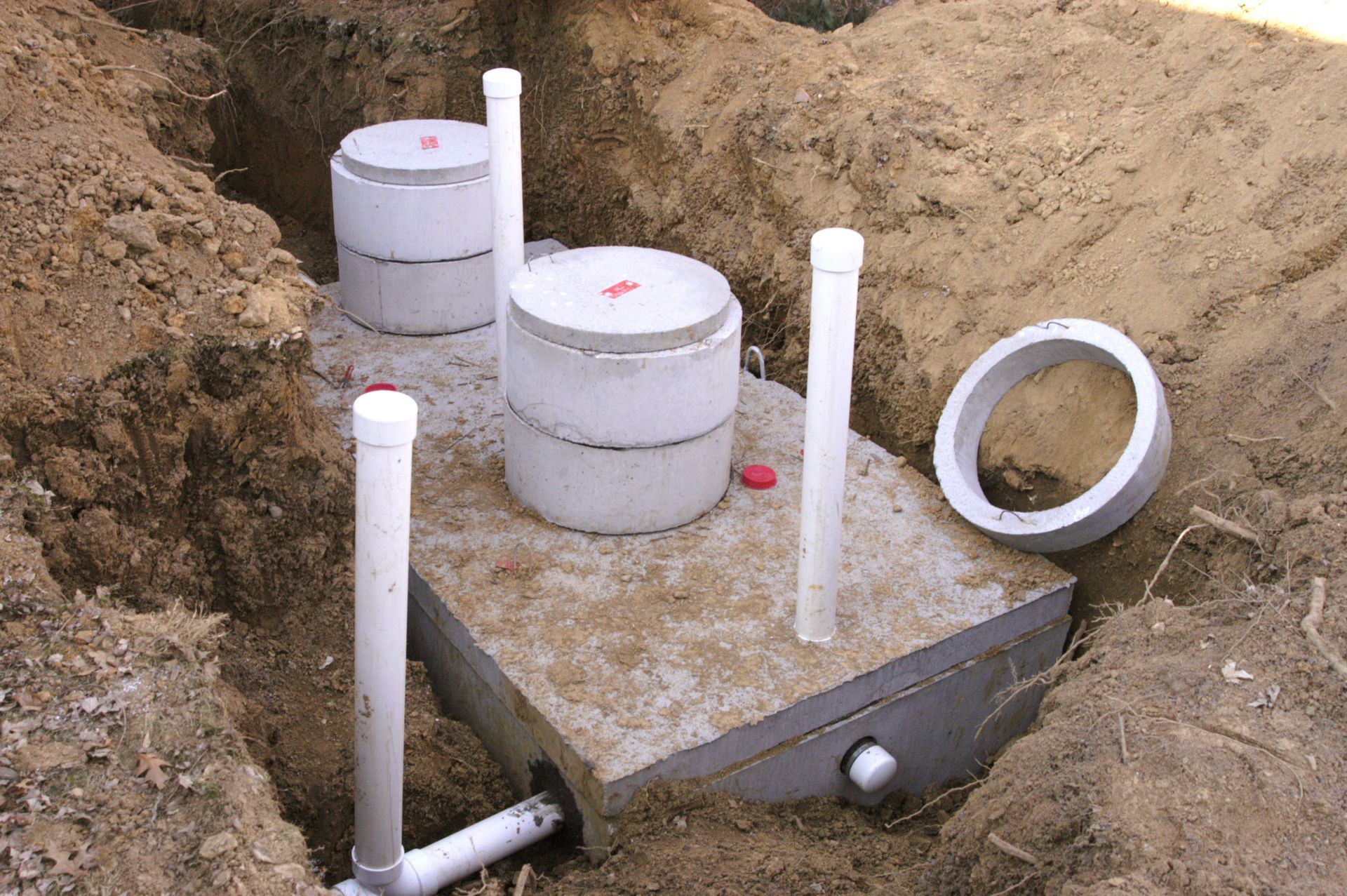
Once the system design is finalized and permits are approved, excavation begins and the project moves from planning into construction. Contractors dig the space for the tank and prepare trenches for the drain field pipes, often coordinating this work with other site tasks like foundation preparation, grading, and utility trenching to keep the build efficient.
The tank is then carefully placed on stable ground and leveled so wastewater flows properly through the pipes and into the drain field. After installation, the system is inspected and tested to ensure it meets local regulations and environmental standards before the area is covered and the home can move toward final approval.
Designing The Property Layout Around The System
Many homeowners are surprised to learn how much the septic system can influence the layout of their property. Because the drain field requires open, uncompacted soil to function properly, certain areas must remain free of structures or heavy traffic.
This means that garages, patios, sheds, and even large driveways usually cannot be placed directly above the drain field. During the planning phase, builders often mark off the field area so that landscapers and contractors know which zones should remain untouched.
Thoughtful design can still make the area visually appealing. Grass lawns are commonly planted above drain fields because shallow roots help maintain soil stability without damaging pipes. Native plants and low-maintenance ground covers are also good choices that blend naturally into the landscape.
Taking the time to design around the septic system ensures the property remains functional while preserving outdoor aesthetics. With careful planning, most homeowners find that the system integrates smoothly into the yard without limiting usable space.
Maintaining The System For Long-Term Reliability
Once construction is complete and the home is occupied, routine maintenance becomes the key to keeping the wastewater system functioning properly. Even a well-designed septic tank installation requires periodic attention to avoid buildup and system overload.
One of the most important maintenance tasks is regular tank pumping. Over time, solids accumulate at the bottom of the tank and must be removed to prevent them from entering the drain field. Most systems require pumping every three to five years, though this schedule can vary depending on household size and water usage.
Homeowners can also extend system life by adopting a few simple habits. Avoid flushing non-biodegradable materials, limit grease disposal in kitchen sinks, and manage water usage during heavy laundry days. These small actions help maintain the natural bacterial balance that allows the system to process waste effectively.
Routine inspections are also valuable. Professionals can check tank levels, inspect pipes, and confirm the drain field is absorbing water properly. Addressing minor issues early often prevents larger repairs later.
Protecting The System From Common Problems
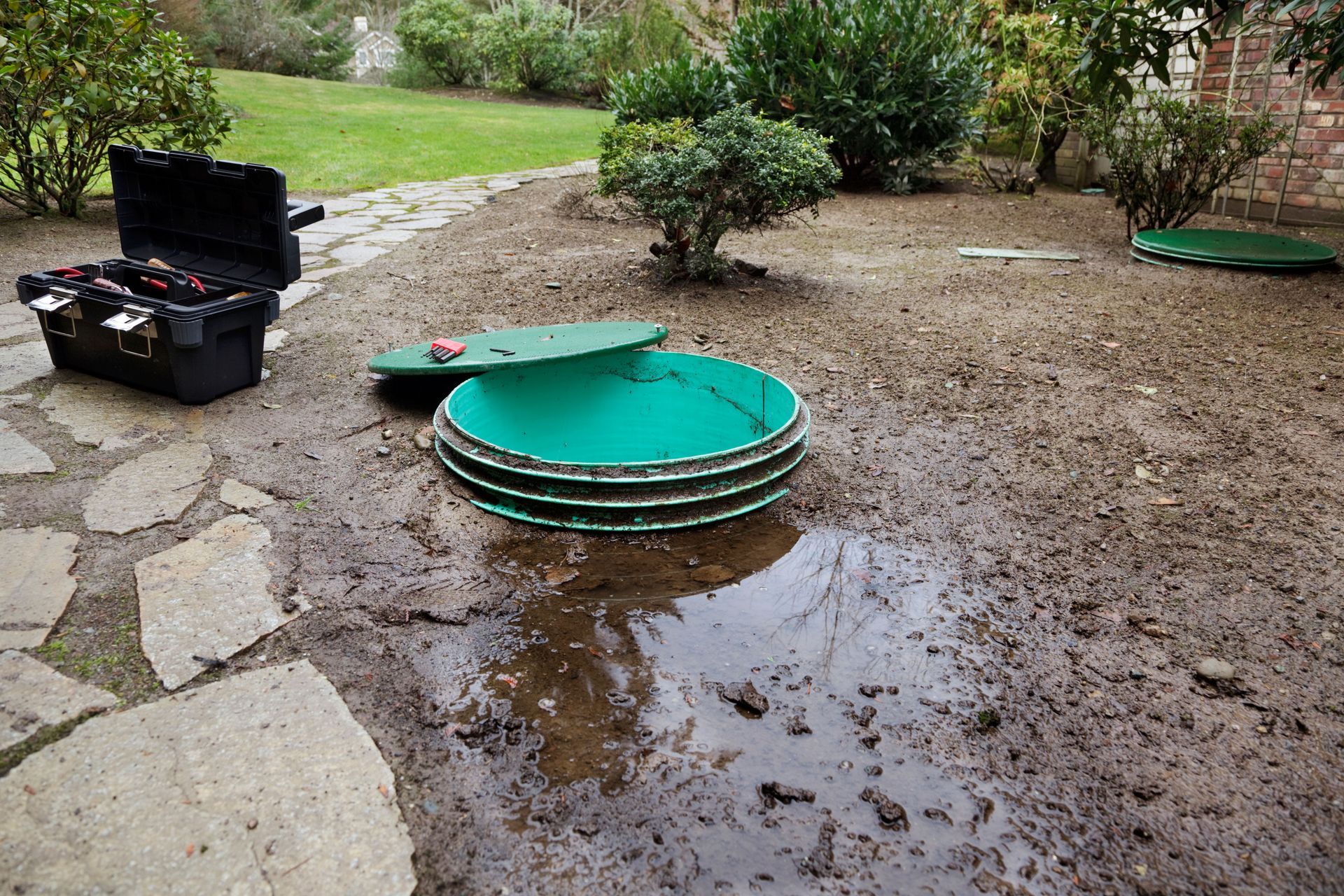
Although septic systems are built for durability, certain conditions can cause problems if they are not addressed early. Soil saturation, poor drainage, or heavy rainfall can overload the drain field if water cannot move through the soil properly. In some cases, adjusting landscaping or improving grading can help redirect runoff and prevent standing water around the system.
Tree roots and excessive water usage can also affect performance. Roots may grow toward underground pipes and cause blockages or damage over time, so planting trees a safe distance away is important. In addition, spacing out high water use—such as laundry loads—helps prevent the system from becoming temporarily overloaded and keeps it running efficiently.
Septic systems are a vital part of new home construction in areas without municipal sewer access, affecting both early planning and long-term property maintenance. Proper soil testing, smart design, and professional installation help ensure a septic tank installation works efficiently while meeting environmental standards. A well-planned system can also protect property value by reducing the risk of drainage issues, contamination, and costly repairs. For reliable guidance and service with your septic system needs, contact Smotherman Excavation.





Share On: