

6 Facts to Know About Land Clearing Before Starting a New Home Build
Land clearing is a fundamental first step in preparing a property for new home construction. It involves removing trees, brush, stumps, and other obstacles so the site can be properly shaped and prepared for building. This stage sets the foundation for excavation, grading, and future development work. Careful planning at this stage helps ensure the property transitions smoothly into the construction phase. It also helps align the site with project goals and overall build requirements.
1. Fundamental Processes of Land Clearing
Remove Vegetation and Obstacles
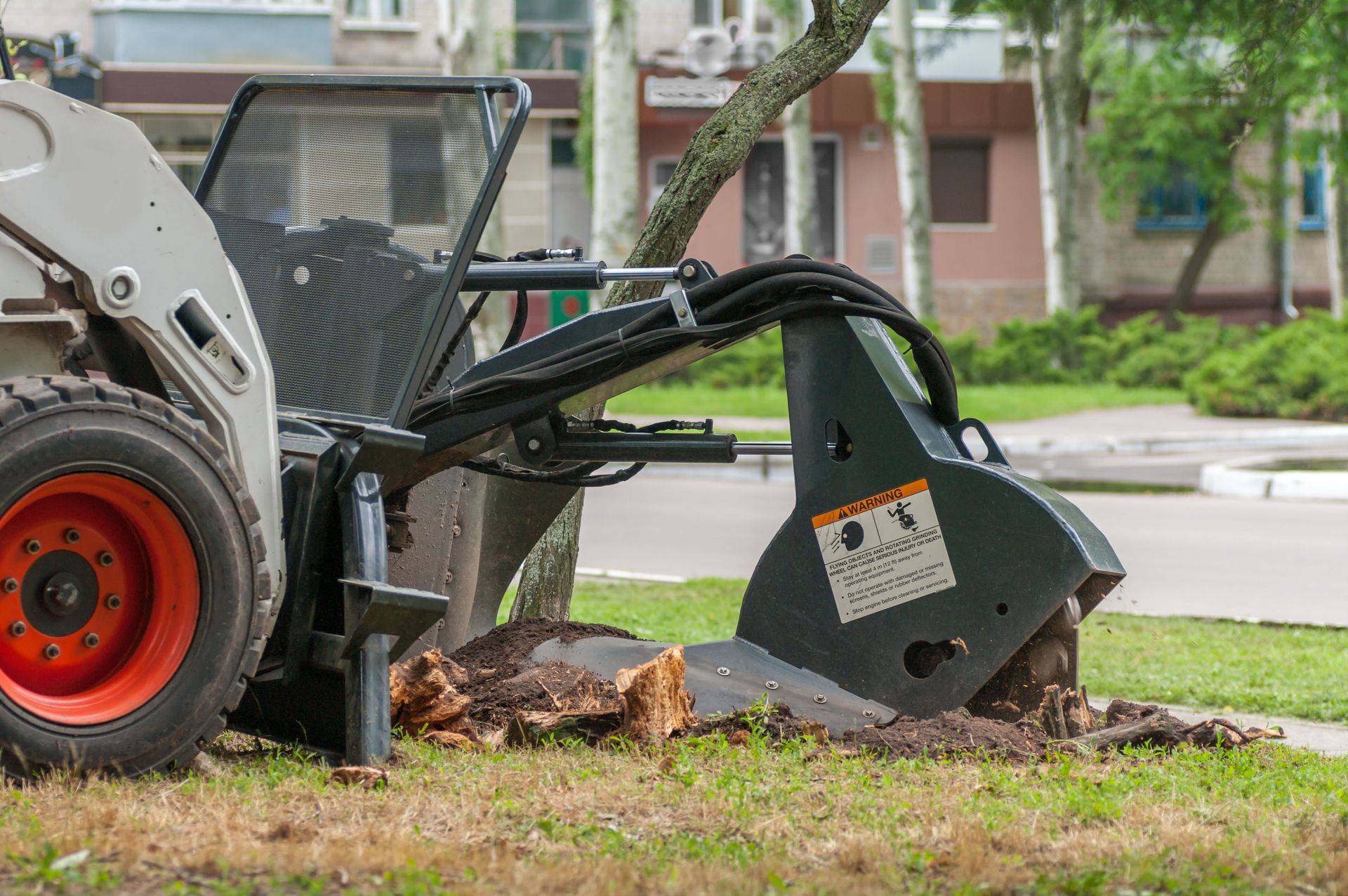
Land clearing involves removing trees, stumps, rocks, and other natural or man-made obstacles from a property to prepare it for construction. This process creates a workable surface for excavation and grading, ensuring the land is suitable for building foundations, driveways, and utility installation. Proper preparation helps establish a stable and accessible site for future development work. It also ensures the land can support the structural requirements of a new build. This step is essential for efficient site development.
Review Historical Development
Historically, land clearing was performed using manual tools and basic equipment, requiring significant labor and time. Over time, advances in machinery such as excavators and bulldozers have made the process faster and more efficient. These improvements have also allowed for more precise removal of vegetation and debris. Today, modern equipment supports consistent and large-scale site preparation. This evolution has greatly improved efficiency in residential and commercial development projects.
Use Mechanical Methods
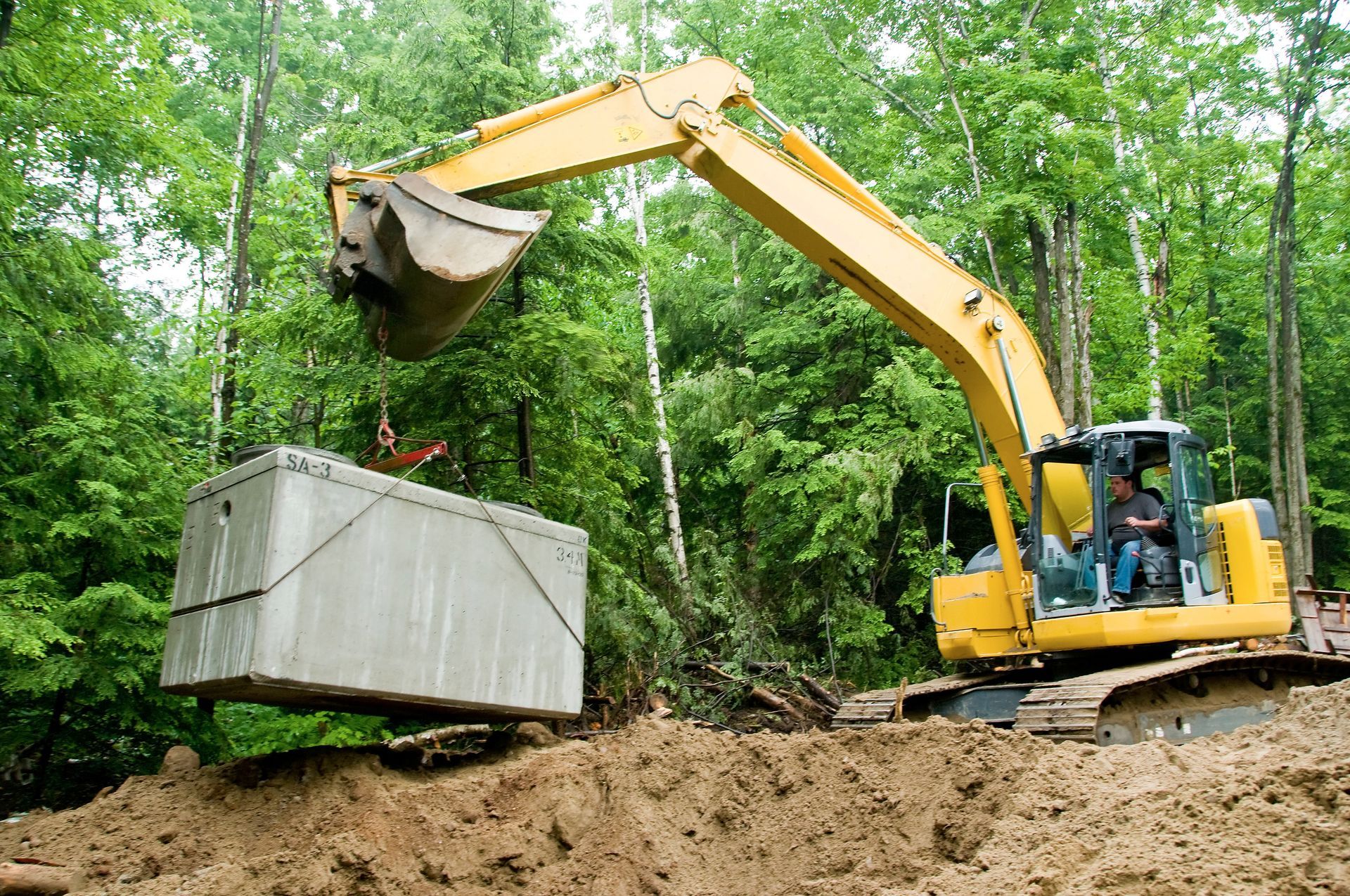
Modern land clearing typically relies on mechanical equipment such as excavators and bulldozers to remove trees, brush, stumps, and debris. Manual removal may still be used in smaller or more confined areas where precision is required. Mechanical clearing is widely used for larger projects due to its efficiency in preparing land for grading and construction.
2. Detailed Evaluation of Land Conditions
Conduct Site Assessment
A site assessment helps determine what type of excavation and clearing work will be needed. This includes reviewing terrain, vegetation, and access to the property. Understanding these factors allows for more efficient planning of grading, excavation, and debris removal activities. A thorough assessment helps reduce unexpected delays during construction. It also supports better coordination of equipment and site preparation work.
Analyze Soil and Ground Conditions
Different soil types and ground conditions can influence how excavation and grading work is performed. Stable preparation of the ground is essential for creating a foundation-ready surface, as well as supporting driveway installation and utility trenching. Proper evaluation helps ensure the land can be shaped effectively for construction needs. It also helps guide equipment selection and site preparation methods. These conditions directly impact how smoothly the project progresses.
Assess Site Conditions
Site conditions such as uneven terrain, dense soil, or rocky areas may impact how land clearing and excavation are completed. These factors are taken into account when planning equipment use and work sequencing to ensure the land is properly prepared for construction. Understanding site conditions helps improve efficiency during development. It also reduces potential delays caused by unexpected ground challenges. Proper planning ensures smoother execution of the project.
Evaluate Topography Considerations
The natural slope and shape of a property play an important role in grading and site development. Uneven terrain may require additional earthmoving to create a level and stable surface. Proper grading helps ensure effective drainage and prepares the site for construction features such as foundations and driveways. According to Forbes, Driveways range anywhere from around 240 square feet to 1,500 square feet, depending on how many cars you need to fit side by side and the distance from your home to the road. These measurements highlight how topography can influence site layout and preparation needs.
3. Strategic Preparation for Land Clearing
Plan Budgeting and Costs
Planning for site work involves considering factors such as property size, terrain complexity, and the amount of material that needs to be removed. Proper planning helps ensure the project is completed efficiently and aligns with overall construction timelines. Budget considerations also help guide equipment and labor planning. This allows for better coordination of resources during the project. It ensures the work progresses smoothly from start to finish.
Engage With Excavation Contractors
Professional excavation services provide the equipment and experience needed to complete land preparation work efficiently. Contractors focus on preparing the land so it is ready for foundations, utilities, and other construction phases. Their role helps streamline the site development process. It also ensures work is completed in the correct sequence for construction readiness. This coordination supports smoother project progression.
Follow Safety Procedures
Safety is an important part of any excavation or site preparation project. Proper equipment operation, site awareness, and communication help ensure that work is completed efficiently while minimizing risks on the job site. Safety practices also help maintain consistent workflow during construction activities. They reduce the likelihood of delays caused by preventable issues. This supports a more controlled and organized work environment.
4. Efficient Execution of Land Clearing
Follow Step-by-Step Process
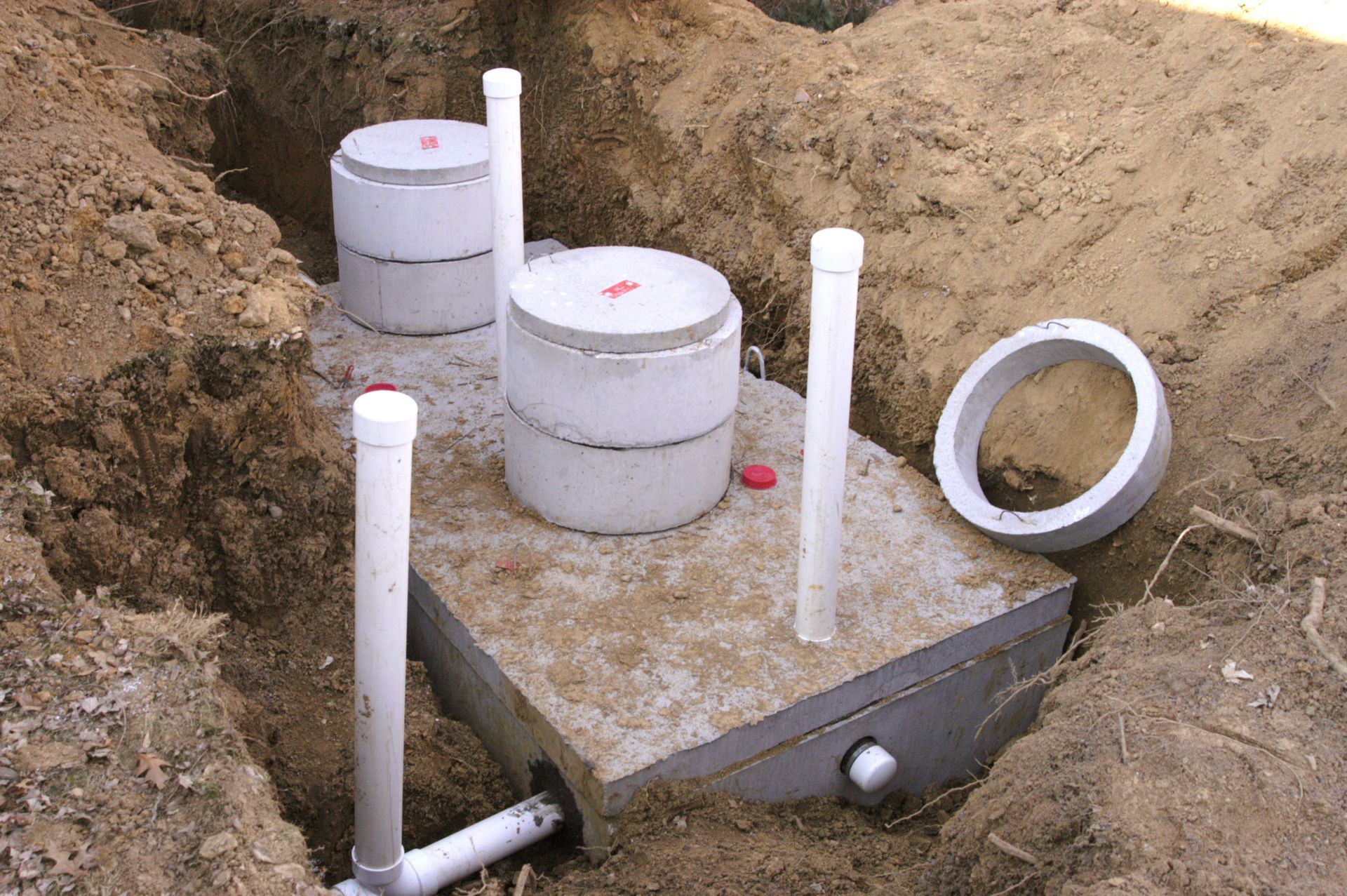
Site preparation typically begins by marking the site boundaries and preparing equipment access. Trees, brush, stumps, and debris are then removed using excavation machinery. After clearing, the land is graded and leveled to prepare for foundations, driveways, septic systems, or utility installation. Each step ensures the property is properly shaped for construction. This structured process helps maintain efficiency throughout the project.
Handle Debris Management
Debris removal is an important part of the clearing process. Organic materials such as trees and brush are removed from the site, while other materials are cleared to ensure the property is ready for grading and construction preparation. Proper debris handling helps keep the site organized. It also supports safe and efficient workflow during excavation. This ensures the land remains suitable for development.
Perform Excavation Work
Excavation involves removing soil and shaping the land for construction foundations, driveways, and underground utilities. This may include trenching for water lines, sewer systems, and electrical conduit installation. Proper excavation helps prepare the site for the next stages of development. It ensures the ground is shaped correctly for structural and utility needs. This step is essential for building readiness.
5. Ongoing Challenges in Site Preparation
Address Common Obstacles
Site preparation projects may face challenges such as weather delays, difficult terrain, or unexpected site conditions. These factors can impact scheduling and equipment use, requiring adjustments during the project. Planning ahead helps reduce disruptions caused by these challenges. It also supports better adaptability during construction. This ensures the project remains on track despite changing conditions.
Apply Risk Mitigation
Risk management in site preparation focuses on identifying potential issues early and adjusting plans as needed. Proper planning and equipment use help reduce delays and keep the project moving efficiently. This approach supports safer and more predictable project outcomes. It also helps ensure consistent progress throughout the work. Effective risk mitigation improves overall site development efficiency.
6. Final Post-Clearing Considerations
Confirm Site Preparation Completion
After site preparation is finished, the property is ready for the next phase of construction. This includes ensuring the land is properly graded, accessible, and ready for building activities. Final preparation helps confirm readiness for construction work. It also ensures all previous steps were completed correctly. This creates a stable foundation for the next stage of development.
Transition Into Construction
Once clearing and grading are complete, the site is transitioned into a construction-ready condition. This allows foundation work, utility installation, and other building activities to begin without delays. Proper preparation ensures smooth progression into the building phase. It also helps reduce downtime between project stages. This supports efficient construction scheduling.
Smotherman Excavation delivers excavation, land clearing, grading, and full site preparation for both residential and commercial projects. From initial clearing through final grading, each phase is handled to support a solid foundation for new construction. Learn more about how we help prepare properties for what comes next.



Share On: