

What to Know Before Starting Land Development on Your Property
Transforming raw terrain into a viable building site requires careful strategy and deliberate planning. Property owners often feel eager to jump straight into active construction without fully recognizing necessary preliminary steps. Skipping essential research can lead to costly mistakes, severe project delays, and frustrating regulatory hurdles.
Before breaking ground on any parcel, you must thoroughly evaluate its unique physical and legal characteristics. Every individual lot presents distinct challenges, ranging from dense vegetation to hidden underground utilities. Addressing these critical factors early ensures a significantly smoother development journey from start to finish.
Proper preparation lays the essential foundation for every successful residential or commercial structural build. Professional land clearing serves as a vital initial step, removing obstacles that hinder accurate excavation, architectural design, and foundation work. Understanding this entire process allows you to manage valuable resources effectively.
Navigating land development requires balancing practical work with strict regulatory oversight. Experienced property owners know that thorough preparation saves both time and money over the lifespan of a construction project. Let us examine the key steps necessary for complete site readiness.
Evaluate Local Zoning Regulations
Municipal codes determine exactly how you can utilize your specific parcel. Before scheduling heavy equipment, visit your regional planning office to review property classifications, set-back requirements, and structural restrictions. Local ordinances heavily influence what kind of structures or site improvements you can legally build.
Obtaining necessary permits represents a non-negotiable step in the site development process. Failing to secure proper authorization can result in heavy fines or immediate work stoppage orders. Municipalities closely examine erosion potential, drainage modifications, and property line boundaries before issuing formal clearance.
Zoning laws also dictate specific restrictions regarding vegetation removal across different regions. Certain local jurisdictions strictly protect mature trees or designated wildlife habitats from destruction. Ensuring full compliance before initiating land clearing prevents legal complications and costly mandatory restoration requirements.
Working alongside certified planning officials helps clarify obscure municipal guidelines and requirements. Securing written approval for every phase of site work creates a legal safeguard for your property project. Thorough research at this initial stage prevents unforeseen delays during active work.
Local building departments can also provide historical context regarding your parcel. Understanding past usage, existing utility easements, and municipal development plans helps you avoid costly surprises. Clear regulatory insight streamlines every subsequent phase of your project.
Assess Ground Topography Features
Analyzing the natural elevation and slope of your parcel is essential for long-term structural stability. Steep inclines require specialized engineering solutions to prevent soil shifting, runoff problems, and severe structural settling over time. Topographical surveys reveal hidden site challenges long before excavation begins.
Drainage patterns significantly impact how your finished project performs during severe weather storms. Water naturally flows toward lower elevations, potentially pooling around future building foundations if left unmanaged. Proper grading shifts surface water safely away from planned structures and adjacent private properties.
Soil composition dictates foundation choices and overall ground stability across your site. Clay-heavy soil holds moisture, while sandy earth drains quickly but lacks stability under heavy weight. Soil testing identifies whether extensive soil stabilization or targeted land clearing is required to establish firm ground.
Consulting with geotechnical engineers provides valuable insights into underground ground conditions. Professionals analyze subterranean earth layers, water tables, and rock formations to recommend ideal construction methods. Gathering this geological data safeguards your structural investments against future foundation failure.
Plan Environmental Impact Measures
Responsible site work prioritizes environmental conservation alongside primary project goals. Protecting natural watersheds, native plant species, and local wildlife preserves ecological balance across your acreage.
Installing silt fencing and sediment barriers prevents topsoil from washing into nearby waterways during rainstorms. Loose earth easily erodes when protective root structures disappear during earthwork. Implementing temporary containment systems keeps muddy runoff confined safely within your designated property boundaries.
According to the American Society of Civil Engineers, ground preparation tasks such as land clearing may consume as much as 10% of the complete build schedule.
Preserving select mature trees adds natural beauty and valuable privacy to your finished parcel. Professional property planners establish clear protection zones around desirable trees to prevent root damage from heavy machinery during initial site setup operations.
Managing seasonal environmental shifts is equally critical for long-term land stability. Understanding local weather patterns, seasonal rainfall averages, and vegetation growth rates helps you plan effective conservation efforts.
Budget Preparation Project Costs
Financial planning for site development requires looking beyond simple equipment rental rates. Unexpected subterranean rock, hidden utilities, and shifting material costs can quickly stretch an insufficiently detailed financial estimate.
Factoring contingencies into your financial planning provides crucial flexibility when facing unexpected site conditions. Setting aside extra funds accommodates unforeseen ground conditions, severe weather disruptions, or mandatory municipal inspection fees without delaying active project progress.
Estimating total site transformation expenses involves several distinct financial categories:
- Municipal permitting fees and inspection charges
- Soil testing and professional topographic surveys
- Thorough land clearing and vegetation disposal
- Heavy machinery transportation and fuel costs
- Erosion control materials and installation labor
Comprehensive financial tracking prevents unexpected capital shortfalls mid-project. Itemizing every anticipated expense ensures you maintain strict control over your overall investment from initial excavation through final grading. Clear financial boundaries lead to stress-free property development.
Obtaining multiple detailed quotes from qualified contractors allows you to compare service scopes effectively. Reviewing itemized estimates ensures all necessary tasks, disposal fees, and equipment costs are accounted for upfront. Proper financial diligence ensures your project remains entirely viable.
Select Proper Heavy Machinery
Choosing correct equipment depends directly on site conditions, tree density, and terrain complexity. Utilizing undersized machinery slows progress, increases fuel consumption, and puts excessive strain on mechanical components.
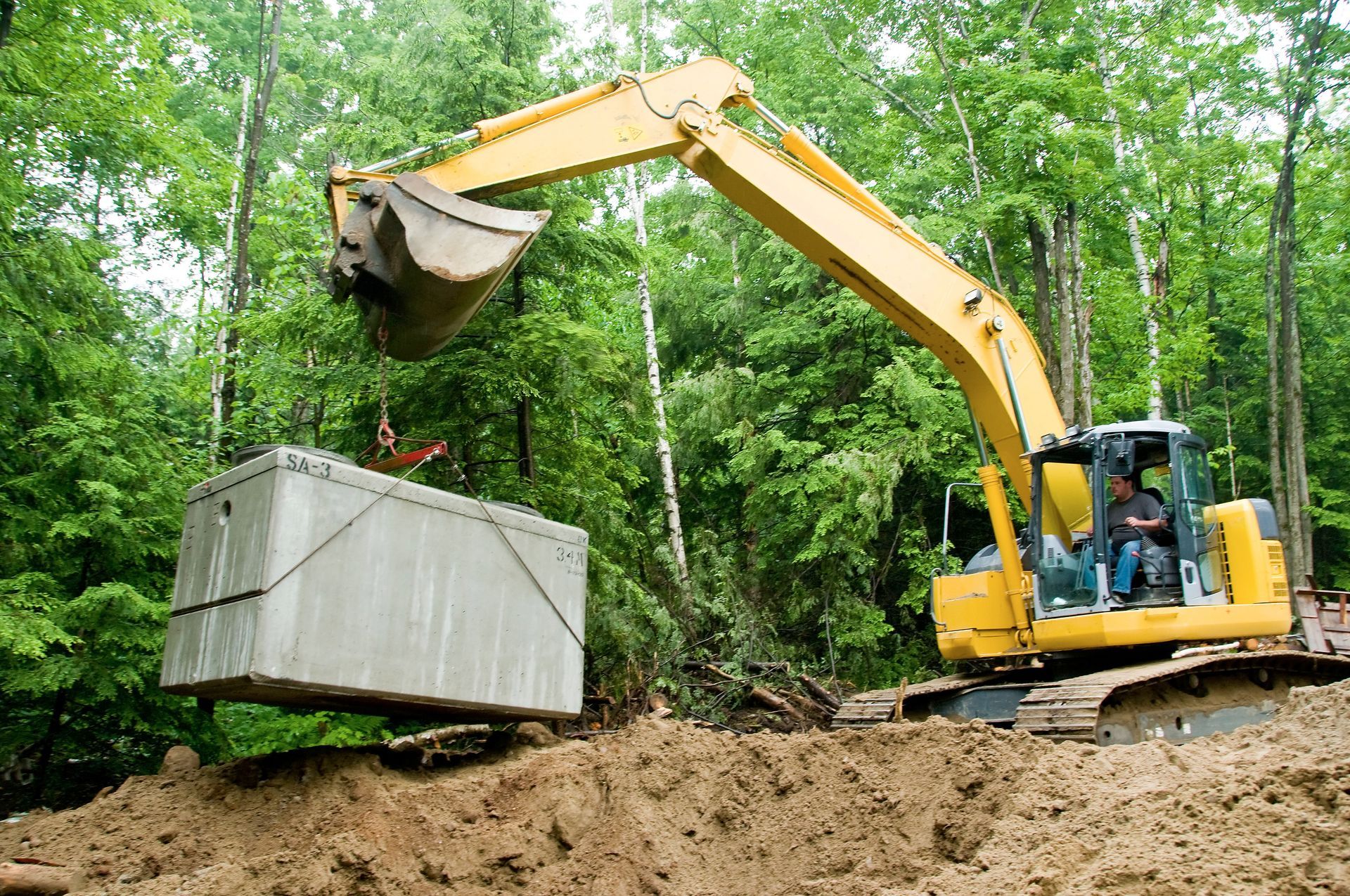
Bulldozers excel at moving large volumes of dirt, leveling uneven slopes, and pushing heavy debris. Meanwhile, excavators provide precision digging capabilities necessary for trenching, stump extraction, and deep foundation preparation.
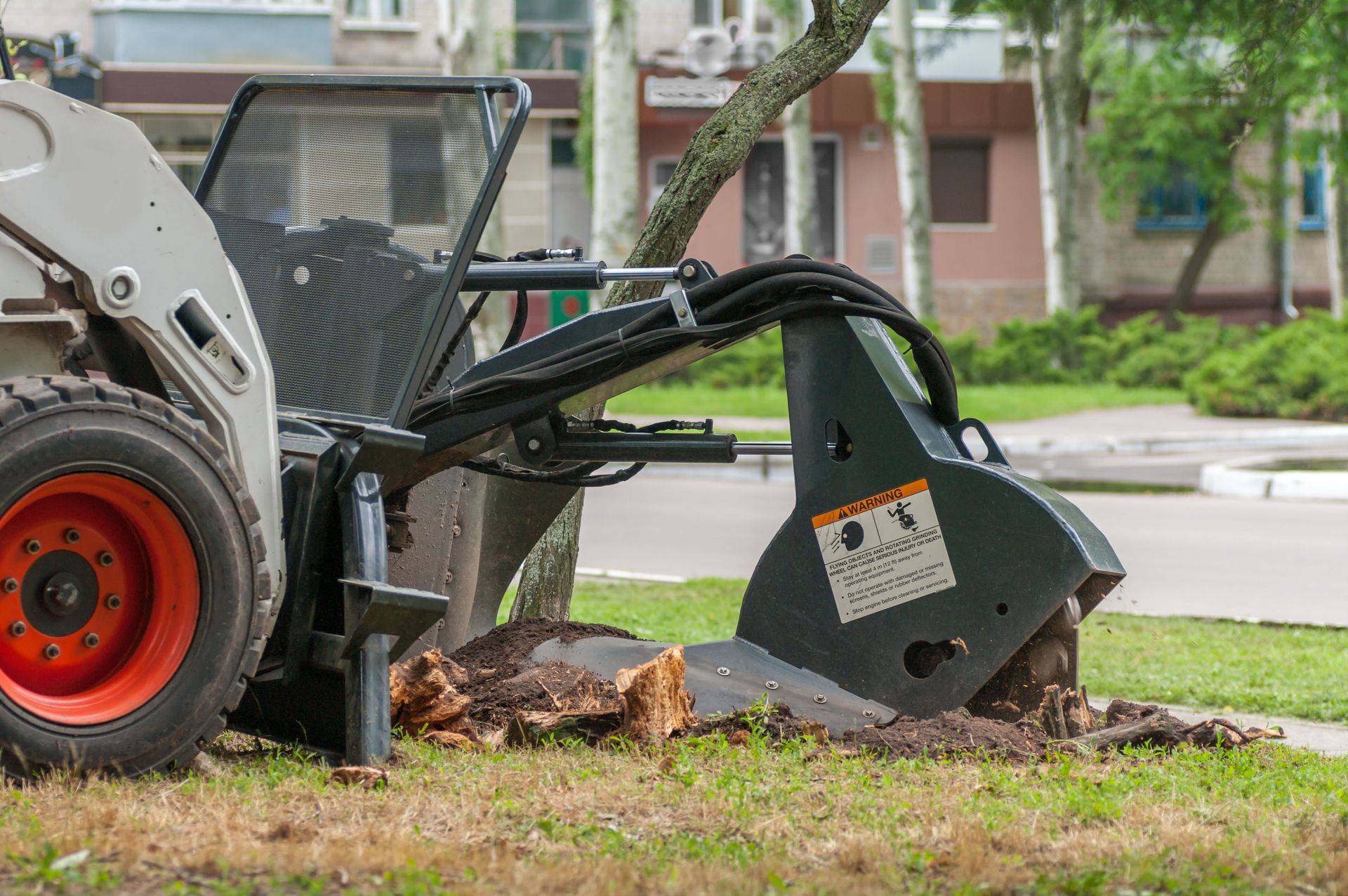
Mulching attachments offer efficient vegetation management on densely wooded parcels. Specialized machinery grinds trees, brush, and undergrowth directly into organic mulch, eliminating the need for haul-away trucks or burning permits during land clearing operations.
Operating heavy machinery requires specialized technical training, professional expertise, and strict safety adherence. Working with qualified equipment operators minimizes risk to surrounding structures, underground utility lines, and job site personnel.
Regular machine maintenance and pre-operation inspections prevent costly mechanical breakdowns mid-task. Ensuring all hydraulic lines, tracks, and engine components are in peak condition maintains steady job site momentum.
Coordinate Construction Schedule Details
Timing plays a crucial role in maintaining seamless progress across multiple construction phases. Coordinating equipment arrival, trade contractors, and material deliveries prevents costly downtime on site.
Weather conditions heavily influence site work schedules and machine mobility. Heavy rainfall turns cleared ground into deep mud, halting heavy equipment operation and delaying grading efforts.
Establishing a structured timeline involves tracking several sequential operational steps:
- Boundary marking and utility location verification
- Initial land clearing and brush removal
- Rough grading and major earthwork operations
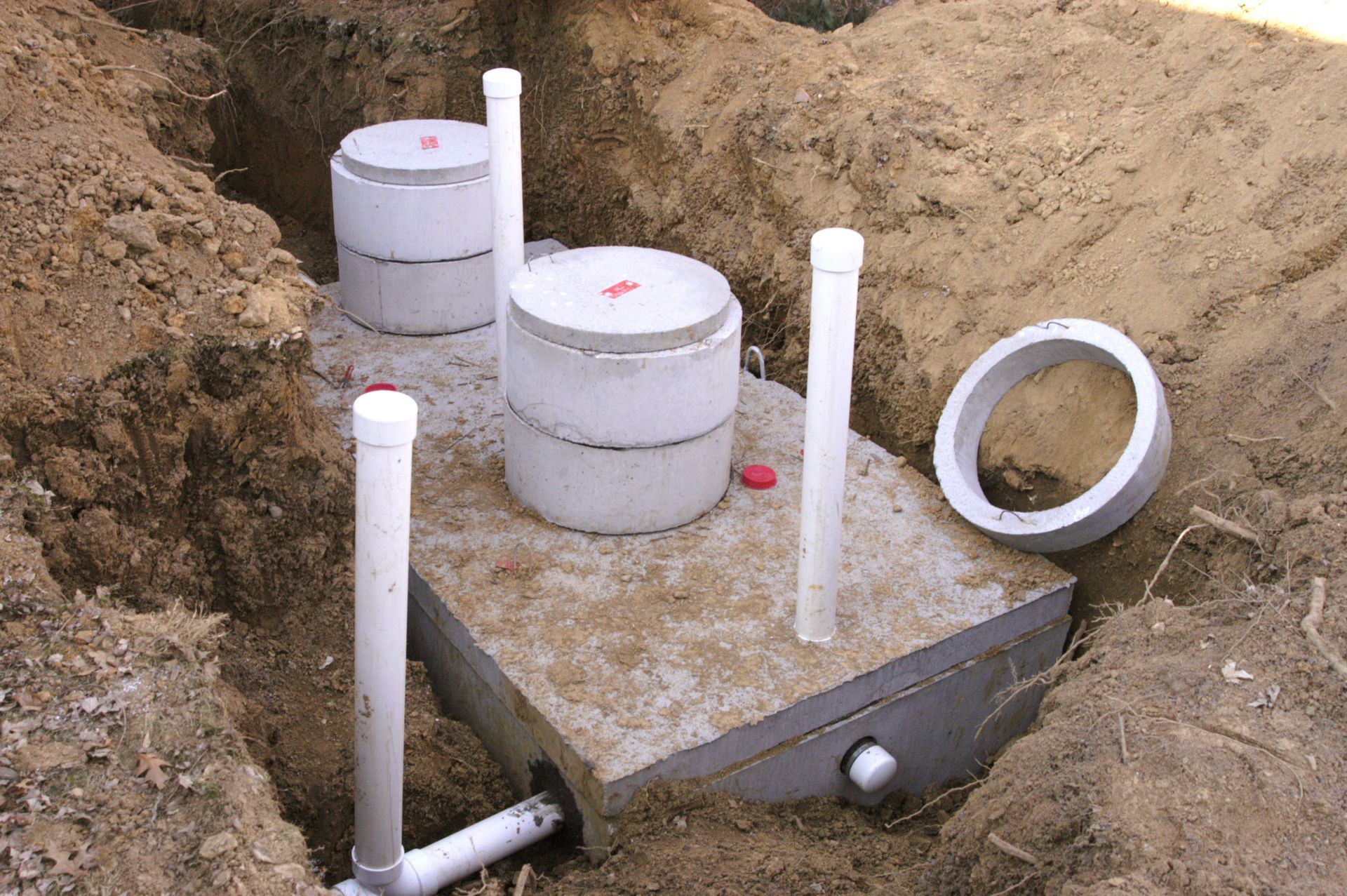
- Underground utility trenching and conduit installation
- Final grading and foundation excavation work
Maintaining clear communication with all contracted teams keeps your master timeline on track. Regular site updates, progress checks, and scheduling adjustments keep workers aligned and focused on primary goals. Proactive project management prevents costly miscommunications throughout development.
Sequence management prevents trades from overlapping and causing unnecessary site confusion. Setting clear milestones for each stage allows contractors to plan their availability accurately.
Ready to prepare your acreage for construction? Partner with the experienced team at Smotherman Excavation to handle your site preparation needs with precision, speed, and reliability. Contact our office today to discuss your project requirements and request a personalized project quote.



Share On: